

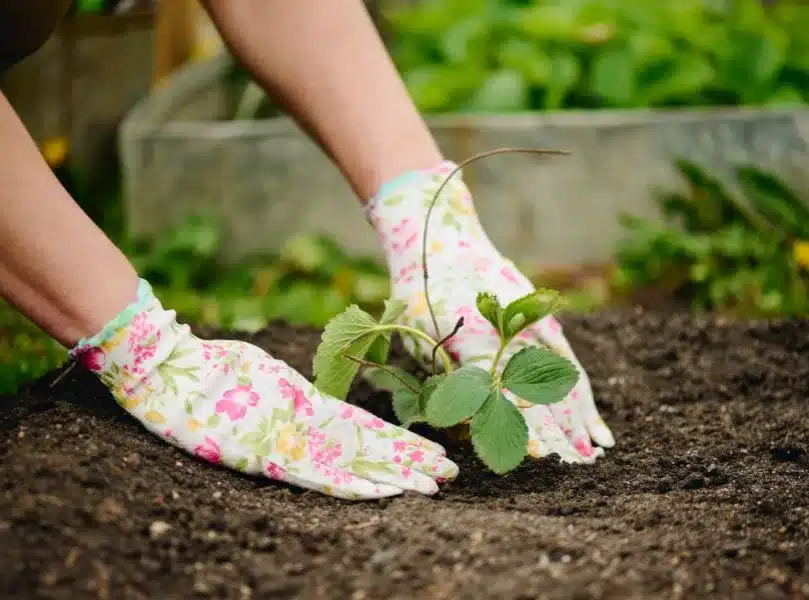
From Stump to Sapling: Tips for Replanting a Tree in the Same Location
Removing a tree from your yard doesn’t mean that space has to remain empty forever. Many homeowners ask, can you replant a new tree in the exact location after removal? Or more specifically, can you plant a tree where one was removed without causing growth issues? The good news is yes—but success depends on preparation, timing, and technique.
Whether a tree was removed due to storm damage, disease, or landscape redesign, replanting can restore beauty, shade, and environmental value to your property. This guide walks you through everything you need to know to go from stump to sapling the right way.
Can You Replant a Tree in the Same Spot?
Yes, you can replant a tree in the same location—but it’s not as simple as digging a hole and planting a sapling. The previous tree’s roots, stump, and soil conditions can all affect the health of the new tree.
When a tree is removed, leftover roots may still occupy underground space, nutrients may be depleted, and pests or diseases could remain in the soil. Proper preparation ensures the new tree thrives rather than struggles.
Step 1: Remove the Stump and Major Roots
Before replanting, the stump must be fully removed or ground down well below the soil surface. Leaving a stump behind can:
- Compete with the new tree for nutrients
- Encourage fungal growth
- Attract insects like termites or beetles
- Block proper root expansion
Stump grinding is often the best solution, as it eliminates most of the root mass while preserving surrounding soil. Professional services, like a trusted Morris Tree Service, can safely remove stumps and assess underground conditions.
Step 2: Evaluate the Soil Quality
Once the stump is gone, soil quality becomes the most critical factor. Old tree roots may have depleted nutrients or altered soil structure. Ask yourself: can you plant a tree where one was removed if the soil is compacted or nutrient-poor? Not without improvement.
Improve Soil by:
- Removing remaining wood chips from stump grinding
- Loosening compacted soil at least 2–3 feet deep
- Mixing in compost or organic matter
- Testing soil pH to match the new tree’s needs
Healthy soil ensures the sapling’s roots can expand easily and absorb nutrients efficiently.
Step 3: Choose the Right Tree Species
Not all trees are suitable for replanting in the same spot. Selecting the right species can prevent disease recurrence and growth issues.
Smart Selection Tips:
- Avoid planting the same species if the previous tree died from disease
- Choose native or climate-adapted trees
- Consider mature size and root spread
- Match sunlight and drainage conditions
Florida-friendly trees often perform best due to their resilience against local weather and soil conditions.
Step 4: Adjust the Planting Location Slightly
If possible, plant the new tree a few feet away from the original location. Even a small shift can help avoid leftover roots and compacted soil zones.
However, if space is limited and replanting in the exact spot is necessary, deeper soil conditioning and root removal become even more important. This step is key when homeowners ask, can you replant successfully without future issues—the answer lies in preparation.
Step 5: Plant at the Correct Depth
Planting depth can make or break your new tree’s success.
Proper Planting Guidelines:
- Keep the root flare visible above soil level
- Avoid planting too deep, which can suffocate roots
- Water thoroughly after planting
- Use mulch, but keep it away from the trunk
Mulching helps retain moisture and regulate soil temperature, especially during Florida’s hot seasons.
Step 6: Water and Monitor Closely
A newly replanted tree needs consistent care during its first year.
Watering Tips:
- Water deeply 2–3 times per week initially
- Reduce frequency once roots establish
- Watch for signs of stress like yellowing leaves or wilting
Regular monitoring ensures early detection of issues related to soil conditions or leftover root competition.
When Professional Help Makes a Difference
Replanting in the same location is more complex than planting in untouched soil. Hiring professionals can save time, money, and frustration.
If you’re located in Pasco County, expert tree service in Dade City can help with stump removal, soil assessment, and planting recommendations.
For homeowners farther north, reliable tree service providers can ensure the site is fully prepared before replanting begins.
Professional tree services understand local soil conditions, climate challenges, and species compatibility—key factors for long-term success.
Common Mistakes to Avoid
When homeowners ask, can you plant a tree where one was removed, failures often come down to these common mistakes:
- Leaving wood chips mixed into the soil
- Replanting without removing old roots
- Choosing the same disease-prone species
- Planting too deeply
- Skipping soil enrichment
Avoiding these mistakes dramatically increases survival and growth rates.
Benefits of Replanting the Right Way
Replanting a tree properly offers long-term rewards:
- Restores shade and curb appeal
- Improves air quality
- Increases property value
- Supports local wildlife
- Prevents erosion and soil degradation
A healthy new tree can thrive for decades if the groundwork is done correctly.
From Stump to Sapling Success
So, can you replant after tree removal? Absolutely. And can you plant a tree where one was removed successfully? Yes—with the right preparation, soil care, and professional guidance.
By removing the stump, improving soil quality, choosing the right tree, and following proper planting techniques, you can transform an empty space into a thriving landscape feature. When in doubt, professional tree service in Citrus County can ensure your replanting project starts—and grows—on the right foot.