

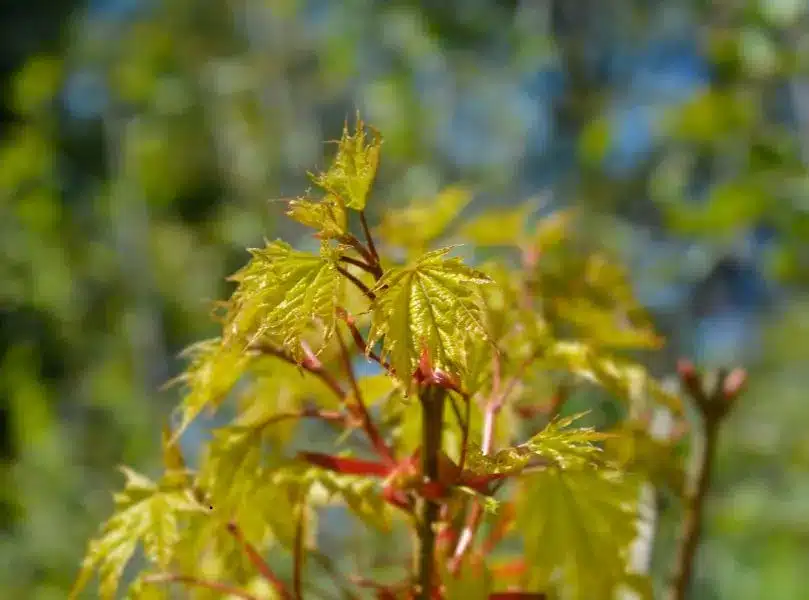
Norway Maple Warning: How This Invasive Tree Harms Your Yard
At first glance, the Norway maple tree may seem like a perfect addition to your yard. It grows quickly, provides dense shade, and adapts easily to many environments. For decades, homeowners and landscapers planted it widely across the United States for these very reasons. However, what was once considered a convenient ornamental tree is now recognized as a serious problem. The invasive Norway maple can cause long-term damage to your yard, surrounding ecosystems, and even nearby properties.
Understanding the Norway maple pros and cons is essential if you already have one on your property or are considering planting one. This blog explains why this tree is considered invasive, how it harms your landscape, and what you can do to manage or remove it responsibly.
What Is a Norway Maple Tree?
The Norway maple (Acer platanoides) is a deciduous tree native to Europe and Western Asia. It was introduced to North America in the 1700s and became popular due to its fast growth, hardiness, and ability to tolerate pollution and compacted soil.
Unlike native maple species, the Norway maple tree produces large numbers of seeds, known as samaras, which spread aggressively. These seeds germinate easily, allowing the tree to outcompete native plants and trees in both residential and natural settings.
Norway Maple Pros and Cons
To understand why the Norway maple is controversial, it helps to look at the Norway maple pros and cons side by side.
Pros
- Fast-growing and provides quick shade
- Tolerates poor soil and urban conditions
- Resistant to many pests and diseases
- Dense canopy blocks sunlight effectively
Cons
- Highly invasive and spreads rapidly
- Shallow root system damages lawns and hardscapes
- Dense shade prevents grass and plants from growing
- Competes with native trees and plants
- Weak wood prone to storm damage
While the benefits may seem appealing, the long-term drawbacks often outweigh the short-term convenience.
Why the Invasive Norway Maple Is a Problem
The invasive Norway maple poses serious risks to both residential landscapes and local ecosystems. One of its most damaging traits is its dense canopy, which blocks sunlight from reaching the ground. This lack of sunlight prevents grass, flowers, and shrubs from growing beneath it, leaving bare soil that is prone to erosion.
In addition, Norway maples release chemicals into the soil that inhibit the growth of other plants, a process known as allelopathy. This allows the tree to dominate an area while reducing biodiversity.
In wooded areas, Norway maples often crowd out native species like sugar maples, red maples, and oaks. Over time, this reduces habitat quality for birds, insects, and wildlife that depend on native plants.
How Norway Maple Roots Damage Your Yard
Another major issue with the Norway maple tree is its aggressive, shallow root system. These roots grow close to the surface and spread widely, often causing:
- Cracked sidewalks and driveways
- Lifted patios and walkways
- Damage to underground pipes
- Uneven lawns and bare patches
Because the roots absorb large amounts of water and nutrients, surrounding plants struggle to survive. Even well-maintained lawns often fail under the canopy of an invasive Norway maple.
Storm Damage and Safety Risks
Norway maples grow quickly, but their wood is relatively weak. This makes them more susceptible to storm damage, especially during high winds or heavy rain. Large branches can break without warning, posing a serious risk to homes, vehicles, and people.
As the tree ages, the risk increases. Regular inspections by a professional tree maintenance company are critical if a Norway maple is present on your property. In many cases, removal becomes the safest and most cost-effective option.
Managing or Removing a Norway Maple Tree
If you already have a Norway maple in your yard, there are a few options depending on its size, condition, and location.
Regular Maintenance
Pruning can help reduce immediate hazards, but it does not solve the invasive nature of the tree. Ongoing maintenance can become costly and time-consuming.
Seed Control
Removing seedlings promptly can slow the spread, but mature trees produce thousands of seeds each year, making full control difficult.
Professional Removal
In many cases, complete removal is the best long-term solution. Hiring a professional service for Pasco county tree removal ensures the tree is removed safely without damaging nearby structures or landscaping.
Professionals also handle stump grinding, which is important because Norway maple stumps can continue to sprout if left untreated.
Why Work With a Professional Tree Maintenance Company
Dealing with an invasive tree is not a DIY project. A licensed and insured tree maintenance company has the tools, experience, and knowledge to assess risks and recommend the best course of action.
Professional tree services can:
- Evaluate the health and stability of the tree
- Safely remove large or hazardous trees
- Prevent damage to nearby property
- Advise on replacement with native, non-invasive species
Replacing a Norway maple with native trees helps restore balance to your yard and supports local wildlife.
Better Alternatives to Norway Maple
If you are removing an invasive Norway maple or planning new landscaping, consider native alternatives that offer shade without the ecological damage. Some excellent options include:
- Red maple
- Sugar maple
- Live oak
- Southern magnolia
Native trees are better adapted to local conditions, support wildlife, and require less long-term maintenance.
While the Norway maple tree may appear attractive and low-maintenance, its invasive nature can cause lasting harm to your yard and the surrounding environment. From aggressive roots and dense shade to ecosystem disruption and storm hazards, the risks often outweigh the benefits.
Understanding the Norway maple pros and cons allows homeowners to make informed decisions about tree care and removal. If you suspect an invasive Norway maple is causing problems on your property, consulting a professional tree maintenance company is the safest and most effective solution.
With expert help and thoughtful planning, you can protect your yard, improve curb appeal, and support a healthier local ecosystem for years to come.