

Plants Under Trees: How to Protect the Root Flare Properly
When adding beauty and greenery to your landscape, one of the most common ideas homeowners have is planting flowers or shrubs under their trees. While this can certainly enhance curb appeal, it also raises an important question: How do you protect the tree root flares while planting beneath a tree? Understanding tree root flares, how they function, and how to safeguard them is essential for the long-term health of your trees.
Whether you’re curious about what is a root flare on a tree, or you’re dealing with an already stressed tree in your yard, this guide breaks down everything you need to know. And when in doubt, reaching out to Pasco County tree removal service ensures your trees get the attention they need.
What Is a Root Flare on a Tree?
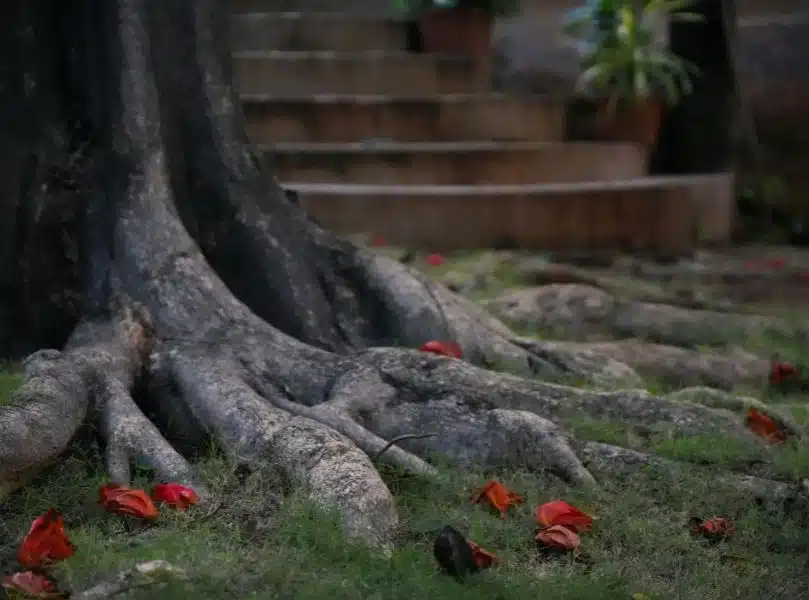
The root flare—also known as the root crown—is the area where a tree trunk widens at the base and meets the roots. In a healthy tree, the root flare of tree is visible above the ground, slightly exposed, allowing the trunk to breathe and function properly.
This flare is essential for several biological processes:
- It facilitates oxygen exchange.
- It helps stabilize the tree.
- It protects the trunk from disease and decay.
- It ensures the proper distribution of water and nutrients.
When the root flare is buried under soil, mulch, or plants, it can lead to some serious issues, including rot, girdling roots, pest infestations, and ultimately tree failure. This is why understanding and protecting the root flare is essential before planting anything around the base of a tree.
Why the Root Flare Matters More Than You Think
Homeowners often unknowingly harm their trees by burying the flare under additional soil or piling mulch high up the trunk. This is commonly known as “volcano mulching,” and it’s one of the biggest culprits behind premature tree decline.
A covered root flare:
- Traps moisture around the bark, leading to rot
- Limits airflow
- Encourages pests such as borers and termites
- Causes stress that weakens the entire tree
- May lead to toppling during storms
In Florida—especially in areas like Pasco County where storms can be severe—protecting this part of the tree is even more crucial. If you’re ever unsure whether your tree is already compromised, contacting experienced professionals like local tree care experts can help you assess the situation safely.
Can You Plant Under Trees Without Damaging the Root Flare?
The short answer: Yes—but carefully.
Planting under trees is possible, but it must be done in a way that respects the natural structure of the tree and doesn’t interfere with the root flare or major roots near the surface. Many trees have shallow root systems that compete directly with plants for moisture and nutrients, so choosing the right plants and installation method is essential.
Below are essential steps to plant safely under trees.
1. Identify and Expose the Root Flare Before Planting
Before doing any landscaping around your tree, inspect the base to ensure the root flare is visible. You should be able to see the trunk begin to widen into the ground.
If the flare is buried:
- Gently remove excess soil or mulch with your hands.
- Avoid digging aggressively near the trunk.
- Never cut into surface roots.
Exposing the flare helps the tree breathe and prevents rot. Many homeowners are surprised by how much healthier their tree looks once the flare is uncovered.
2. Choose the Right Types of Plants
Trees and understory plants can coexist—but only if you select species that thrive in shade and do not require deep planting holes that could disturb root systems. Some excellent choices include:
- Ferns
- Hostas
- Caladiums
- Asiatic jasmine
- Shade-loving groundcovers
- Native Florida perennials
Avoid shrubs or plants that require frequent digging or deep root systems. Shallow-rooted species are best because they minimize disruption to tree roots and root flare areas.
3. Use Minimal Soil and Avoid Adding Soil Against the Trunk
One of the most dangerous mistakes homeowners make when planting near trees is adding extra soil. Even an inch or two added around the trunk can suffocate the root flare.
Instead:
- Keep soil levels the same as the natural grade.
- Do not mound soil against the trunk.
- Use compost lightly, and avoid heavy amendments that can alter drainage.
If plants need additional soil to grow properly, place that soil outward—away from the flare and main trunk.
4. Plant Between Major Roots, Not On Top of Them
When digging holes around the tree:
- Gently feel for major roots.
- Plant only in the open pockets between these roots.
- Avoid cutting or damaging large roots.
Even small cuts can compromise a tree’s stability or open a pathway for disease. If you find the root system is too thick to plant safely, consider using container plants placed decoratively under the tree instead—this protects the root flare while still offering aesthetic value.
5. Mulch Properly Around the Tree Root Flares
Mulch is beneficial when applied correctly—and harmful when overdone.
Proper mulching technique:
- Use 2–3 inches of mulch.
- Keep mulch at least 6–12 inches away from the trunk.
- Spread mulch outward toward the canopy edge.
This keeps moisture in the soil without suffocating the flare. It also reduces weeds and provides a tidy appearance without harming the tree’s natural structure.
6. Water Thoughtfully
Plants under trees compete for water, especially during the hot Florida months. When planting under trees:
- Water new plants regularly during establishment.
- Avoid overwatering the tree trunk.
- Use drip irrigation or soaker hoses aimed away from the flare.
Roots under trees can become stressed easily when planted companions absorb too much moisture. Watering carefully keeps everything healthy and balanced.
7. Monitor for Stress or Problems
After planting, observe your tree for signs of stress:
- Yellowing leaves
- Early leaf drop
- Bark decay near the root flare
- Mushrooms or fungal growth at the base
These can signal root flare issues, buried roots, or other structural problems. If you notice concerning symptoms—or simply want professional reassurance—reach out to Pasco County tree removal experts for an evaluation.
When to Call a Professional
Sometimes, a tree may already be suffering from buried flares, root girdling, decay, or improper planting years before you moved in. In such cases, consulting professionals like Morris Tree Service is the safest way to diagnose and address the issue.
Experts can:
- Correctly expose buried root flares
- Evaluate root health
- Remove dangerous trees
- Improve soil and drainage
- Provide safe planting recommendations
Healthy Root Flares = Healthy Trees
Planting under trees can be beautiful and rewarding, but it must be done with care and respect for the tree’s biological needs. Understanding what is a root flare on a tree, recognizing its importance, and taking steps to protect it ensures your tree thrives for years to come.
By selecting the right plants, avoiding soil compaction, practicing proper mulching, and regularly monitoring your tree’s health, you can create stunning landscapes that do not compromise the tree’s well-being.
And when expert support is needed, trusted professionals like Morris Tree Service, Pasco County tree removal experts, are always there to help you keep your trees safe, stable, and beautiful.