

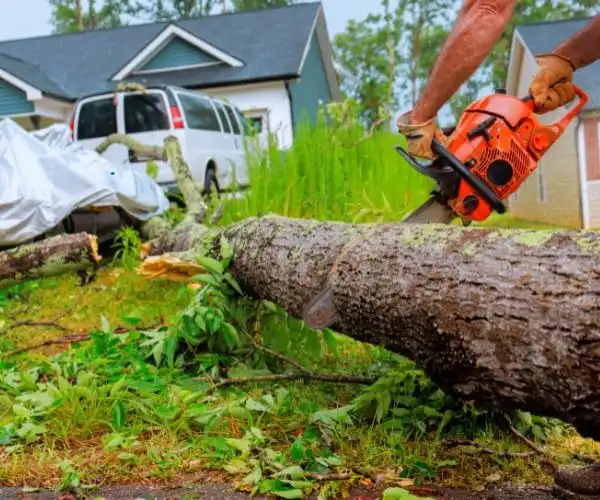
When is Tree Removal Better Than Tree Trimming?
As a homeowner, looking at a tree on your property can feel like a moment of truth. You might have watched it grow for years, providing shade for summer barbecues and a perfect spot for a swing set. But trees don’t live forever, and they can sometimes become a serious liability.
The choice between tree trimming and tree removal is rarely simple. While trimming is a healthy, routine part of tree care, there comes a point when full removal is the only safe and logical decision. Understanding the difference is crucial for the safety of your property and family. While tree cutting services may be used for land clearing, tree removal is a more technical process often needed when a tree becomes a hazard. This guide will help you identify when that line has been crossed.
Understanding the Basics: Trimming vs. Removal
Before deciding, it’s helpful to understand the fundamental difference between these two services.
Tree Trimming is a maintenance procedure. It involves the selective removal of branches to improve the tree’s health, structure, and appearance. Arborists trim to remove deadwood, allow more sunlight to reach the canopy or the ground below, and prevent branches from interfering with structures or power lines. When done correctly, trimming can extend the lifespan of a healthy tree.
Tree Removal, on the other hand, is a significant operation. It involves the complete cutting down and disposal of the entire tree, often including stump grinding to remove the remaining base. Unlike trimming, which is somewhat routine, tree removal is typically a final resort. It is a more complex and labor-intensive process often requiring specialized equipment like cranes or bucket trucks, especially when the tree is near a structure.
When is Tree Removal the Only Option?
There are several clear warning signs that indicate trimming is no longer a viable solution and that you need to call a professional tree removal service immediately.
1. The Tree is Dead or Dying (Dead Tree Removal)
This is perhaps the most straightforward reason for removal. If a tree has died, its structural integrity begins to degrade. The wood becomes brittle, and the roots can no longer anchor it securely to the ground. A dead tree is not just an eyesore; it’s a ticking time bomb. Dead tree removal is essential because a dead tree can drop heavy limbs or topple over with little to no warning, posing a lethal risk to anyone nearby and a catastrophic risk to your home.
2. The Tree is a Safety Hazard (Hazardous Trees & Emergency Tree Removal)
A tree doesn’t have to be dead to be dangerous. Hazardous trees often show signs of severe structural instability that are beyond repair. Key indicators include:
- Significant Leaning: If a tree suddenly develops a severe lean or is leaning more than 15% from vertical, it’s a sign that the roots may have failed. This is especially dangerous if the tree is leaning toward a house or high-traffic area .
- Large Cracks or Splits: Deep cracks in the trunk or major branch unions indicate the tree is failing structurally.
- Fungal Growth: Mushrooms or conks growing at the base of the tree (butt rot) are a sign of internal decay that you cannot see.
- Damage to Infrastructure: If roots are cracking your home’s foundation or buckling a driveway, the damage to your property is a primary concern. While some issues can be mitigated, severe root damage to foundations often necessitates removal.
In cases of severe storms or sudden damage, this can lead to an emergency tree removal. If a large branch has fallen or a tree is leaning against your house, you need to contact a service that can respond quickly and safely. Government regulations often define emergencies as situations where a tree poses an immediate threat to life, property, or traffic, allowing for urgent action without prior permits.
3. The Tree is Located Near Power Lines or Utilities
Trees that grow into or near power lines are a major public safety risk and a leading cause of power outages. While utilities often manage vegetation by trimming back branches, there are many cases where the tree is simply too close to the lines to be safely maintained. In these situations, professional tree removal is the best way to ensure reliable power and prevent the risk of electrocution or fire. The utility company may even mandate the removal of certain trees.
4. The Tree is Damaged Beyond Repair
A tree can suffer severe damage from storms, lightning strikes, or disease. If the main trunk is damaged or more than 50% of the tree is compromised, it is unlikely to recover. In such cases, tree cutting services are hired not to save the tree but to remove it before it falls and causes significant damage. A qualified arborist can help you assess if the damage is too severe to treat .
How to Make the Right Decision
The decision to remove a tree is significant and shouldn’t be made in a hurry. However, if you see signs of death, disease, or severe structural instability, time is of the essence.
The best course of action is to consult with a certified arborist. They are trained professionals who can assess a tree’s health and determine the level of risk it poses. They will look for signs of internal decay, root damage, and structural issues that may not be obvious to the untrained eye .
When choosing a tree removal service, be sure to do your homework. Avoid door-to-door salespeople who pressure you into immediate action. Get multiple estimates and ensure the company is fully insured and has a good reputation. Remember, professional tree care is an investment in your safety and your property’s value.
Conclusion
While tree trimming is beneficial for the health and longevity of your trees, there comes a time when removal is the safest and most responsible choice. If you have a dead tree, a leaning tree, or one that shows significant structural damage, don’t delay. A local, trusted tree removal service can help you protect your home and family from the potentially devastating consequences of a falling tree.